
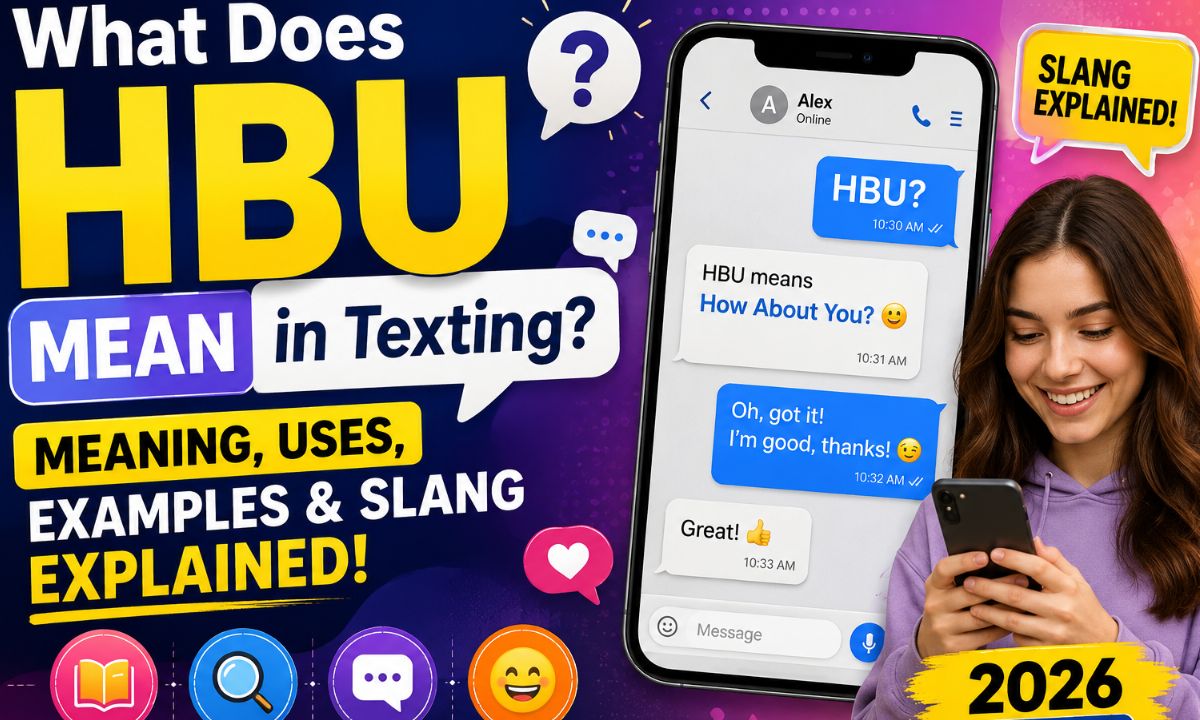

Ever gotten a text that just says “HBU?” and paused for a second before replying? You’re not alone. Millions of people type or receive this three-letter abbreviation every day without ever looking up what it actually means.
This guide breaks down everything you need to know about HBU — its meaning, origin, correct usage, alternatives, and the situations where you should probably avoid it altogether.
What Does HBU Mean in Text?
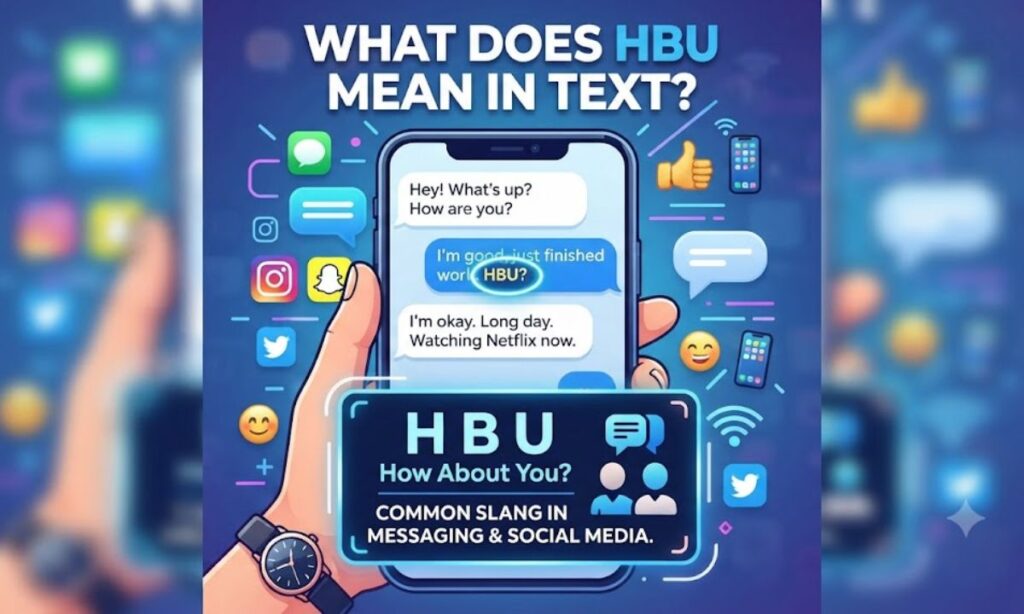
HBU stands for “How About You?” It’s a quick, informal way to return a question back to the person you’re chatting with, right after you’ve answered something yourself or shared an update.
Example:
Alex: “I’m doing pretty good today, just relaxing. HBU?” Jordan: “Same here, taking it easy too.”
In this exchange, HBU keeps the conversation balanced. Instead of leaving the other person to guess whether you’re interested in their side of the story, it signals that you genuinely want to know.
Why People Use It
Texting favors speed over formality, and HBU fits that culture perfectly. Here’s why it’s so widely used:
- Saves time — three letters instead of eleven
- Keeps conversations flowing without sounding robotic
- Feels casual and friendly, especially between peers
- Works across platforms — texting, DMs, group chats, and gaming
Where Did “HBU” Come From?
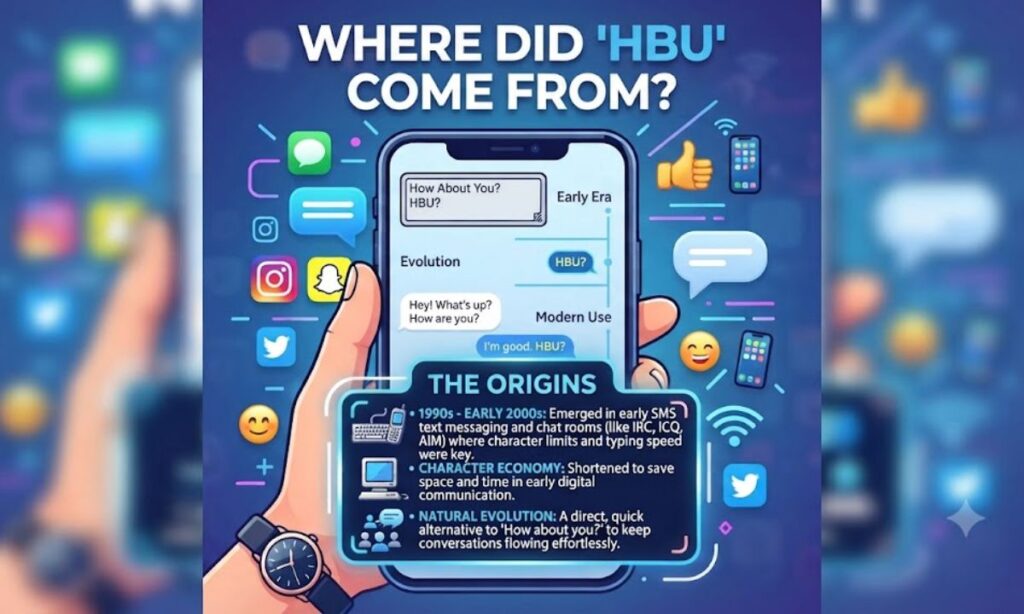
Like most texting abbreviations, HBU grew out of early SMS culture, when character limits and slow typing on flip phones pushed people to shorten common phrases. As instant messaging and smartphones took over, the habit stuck — and Gen Z texting culture cemented HBU as one of the most recognizable chat acronyms in everyday use.
What Does HBU Mean on Snapchat?
On Snapchat, HBU carries the exact same meaning: “How About You?” It shows up constantly in snap captions, chat replies, and streak conversations, usually as a quick follow-up after someone answers a question.
Example on Snapchat:
“Just got back from the gym 💪 HBU?”
Because Snapchat conversations are often short and rapid-fire, HBU fits naturally — it keeps the back-and-forth going without breaking the casual tone of the app.
HBU Meaning in Tagalog
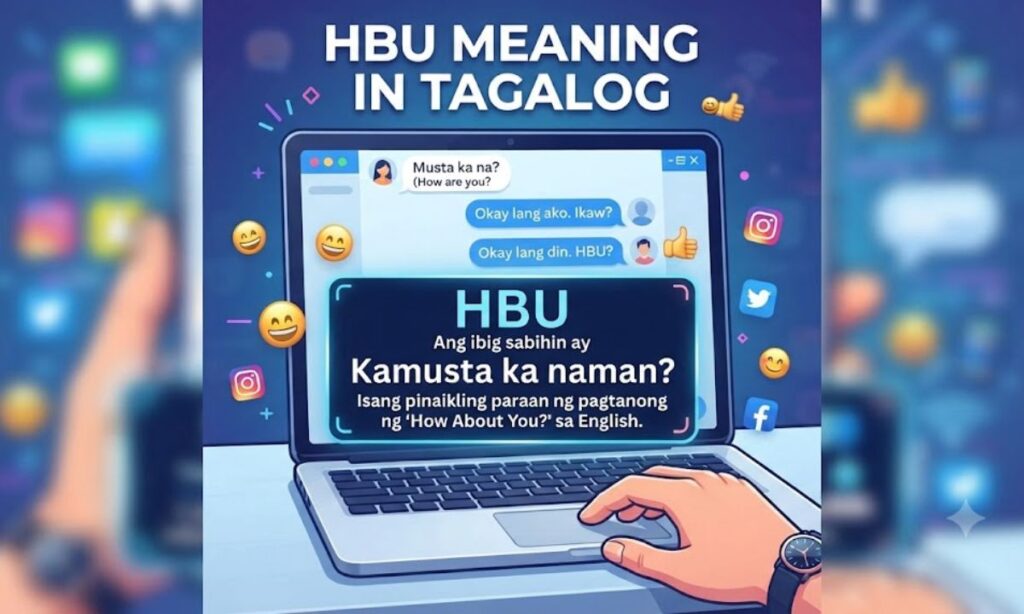
In Tagalog conversations, especially among younger Filipino texters, HBU is used the same way as in English — as a casual “Ikaw?” or “Kumusta ka naman?” equivalent. It’s typically borrowed directly from English texting slang rather than translated, since code-switching between English and Tagalog is common in everyday Filipino messaging.
Why “HBU” Can Feel Too Informal
While HBU works great among friends, it can come across as careless or overly casual in the wrong setting. Abbreviations like this signal a relaxed, low-effort tone — which isn’t always appropriate.
Why It Can Backfire
Using HBU in the wrong context can unintentionally:
- Make you seem unprofessional in a work email
- Confuse someone unfamiliar with texting slang
- Come across as dismissive in a serious conversation
- Undermine the tone of a formal introduction or interview follow-up
Casual vs Formal Communication: Why Tone Changes Everything
Tone is everything in written communication, since there’s no voice inflection or body language to soften a message. A phrase that feels warm and friendly in a text to a close friend can feel abrupt or careless in an email to a manager.
| Context | Recommended Tone | HBU Appropriate? |
| Texting friends/family | Casual | Yes |
| Social media DMs | Casual | Yes |
| Group chats | Casual | Yes |
| Networking emails | Semi-formal | No |
| Job applications | Formal | No |
| Workplace communication | Formal | No |
Polite Alternatives to HBU
If you want to keep things friendly but slightly more polished, try:
- “And you?”
- “What about you?”
- “How’s it going with you?”
- “How have you been?”
Professional Alternatives to HBU
In business or formal writing, spell things out fully:
- “How about yourself?”
- “I’d love to hear your thoughts as well.”
- “What has your experience been like?”
- “How are things on your end?”
What does HBU mean on Snapchat
As covered above, HBU on Snapchat simply means “How About You?” — used the same way it’s used in regular texting, just within Snapchat’s chat or caption features.
HBU meaning in business
In a business or real estate context, HBU can stand for something entirely different: Highest and Best Use. This term has nothing to do with texting slang.
Highest and best use example
In real estate and property valuation, “highest and best use” refers to the most profitable, legally permissible, and physically possible use of a piece of land or property. For example, a vacant lot in a growing commercial district might have a “highest and best use” as a retail space rather than continuing as an empty field, because that use generates the greatest value.
Neutral Everyday Alternatives
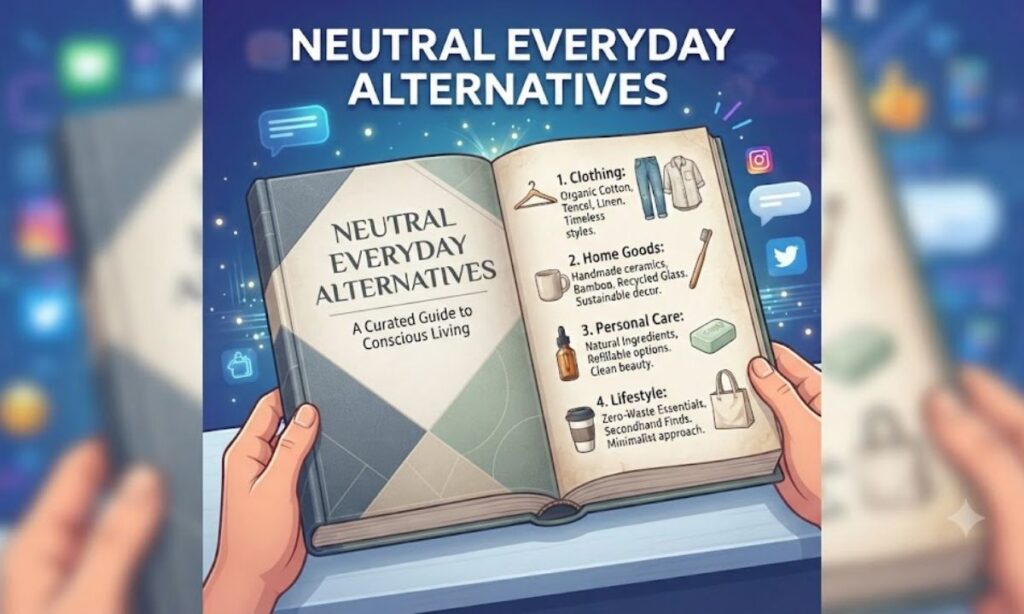
For everyday texting that isn’t fully formal but isn’t super casual either:
- “What about you?”
- “How are you doing?”
- “What’s going on with you?”
Also read this meaning JS MEANING IN TEXT
Casual and Colloquial Alternatives
If you want variety while keeping the same laid-back vibe as HBU:
- “WBU” (What About You)
- “Wyd?” (What You Doing)
- “You?”
- “Same question to you!”
Choosing the Right Alternative
Ask yourself three quick questions before picking a phrase:
- Who am I talking to?
- What platform am I using?
- What tone does this conversation need?
If the answers point to friends, casual apps, and a relaxed tone, HBU or WBU works fine. If not, lean toward a fuller phrase.
Tone Ladder
Think of your phrasing options on a sliding scale:
Very Casual → Casual → Neutral → Semi-Formal → Formal
“HBU” → “WBU” → “What about you?” → “How about yourself?” → “I’d be interested to hear your perspective as well.”
Real-World Conversation Examples
Text 1: A: “Just finished my workout, feeling great. HBU?” B: “Nice! I’m about to start mine.”
Text 2: A: “Weekend plans?” B: “Probably just relaxing. HBU?”
Case Study: Workplace Email
Poor version:
“Finished the report, HBU on your end?”
Better version:
“I’ve finished the report on my end. How is your section coming along?”
The second version keeps the same intent — checking in on the other person’s progress — without sounding out of place in a professional inbox.
Case Study: Networking Event Follow-Up
Poor version:
“Great meeting you yesterday! HBU, did you enjoy the event?”
Better version:
“It was great meeting you yesterday. I’d love to hear your thoughts on the event as well.”
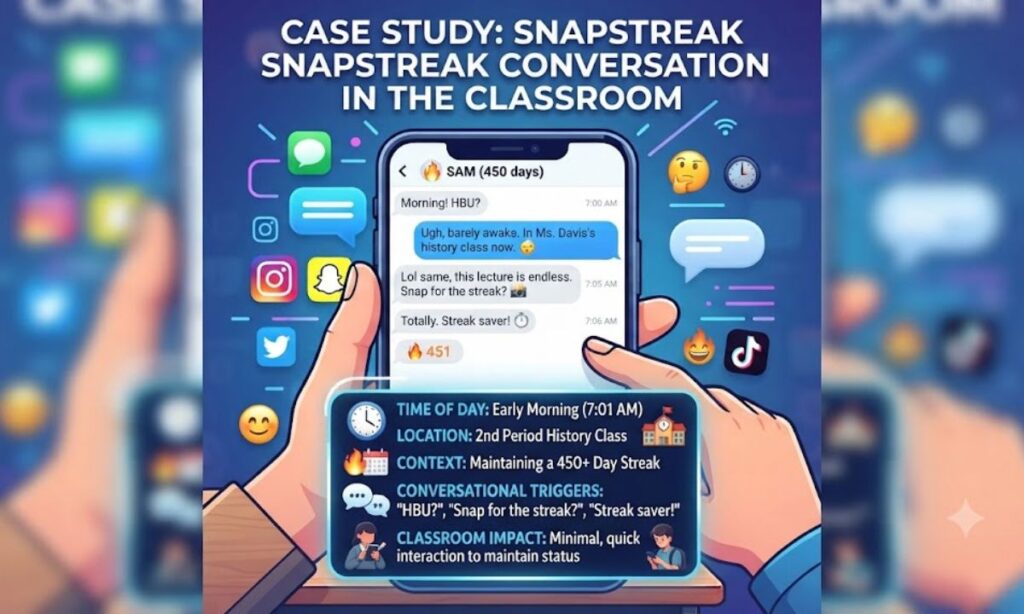
Case Study: Snapchat Streak Conversation
Perfectly fine version:
“Long day at school lol. HBU?”
In this context, HBU fits naturally and doesn’t need to be changed at all — it’s exactly the kind of casual, fast-paced exchange it was built for.
Subtle Tone Differences You Shouldn’t Ignore
Small wording changes shift how a message feels:
- “HBU?” — quick, casual, low-effort
- “What about you?” — friendly, slightly more thoughtful
- “How about yourself?” — polite, slightly formal
- “I’d love to hear your side too.” — warm, engaged, professional-friendly
Why Variety in Language Makes You Sound Smarter
Relying on the same abbreviation in every conversation can make your texting style feel repetitive. Mixing in alternatives depending on context shows stronger communication skills and makes conversations feel more natural, rather than copy-pasted.
Common Mistakes With “HBU”
- Using it in a formal email or cover letter
- Sending it to someone who may not understand texting slang (like an older relative or new professional contact)
- Overusing it in every single message, making conversations feel repetitive
- Assuming it always means the same thing (remember the “Highest and Best Use” business meaning)
The Bigger Picture: Digital Communication Slang in 2025
Texting slang like HBU reflects a broader shift toward faster, more efficient digital communication. As messaging apps, DMs, and short-form chats become the primary way people talk day-to-day, abbreviations continue to evolve — but the core skill remains the same: knowing your audience and adjusting your tone accordingly.
HBU Meaning: Understanding HBU and Polite Alternatives for Any Conversation — Example
Scenario 1: Casual Text
“Watching a movie tonight, HBU?”
This works perfectly fine as-is. No changes needed among friends.
Scenario 2: Job Interview Follow-Up
Instead of: “Thanks for the interview, HBU on next steps?” Use: “Thank you for the interview. Could you share what the next steps in the process look like?”
Alternatives to Slang in Professional Writing
When writing professionally, always default to complete phrases:
- “How about yourself?”
- “I’d welcome your thoughts on this as well.”
- “What has been your experience with this?”
Quick Reference Cheat Sheet
| Situation | Use HBU? | Better Option |
| Texting a friend | ✅ Yes | — |
| Snapchat/Instagram DM | ✅ Yes | — |
| Group chat with peers | ✅ Yes | — |
| Work email | ❌ No | “How about yourself?” |
| Job interview follow-up | ❌ No | “What are the next steps?” |
| Networking message | ❌ No | “I’d love to hear your thoughts too.” |
| Texting an older relative | ⚠️ Maybe not | “What about you?” |
FAQs
What does HBU mean in a text message?
HBU means “How About You?” — it’s used to ask someone the same question back after you’ve answered or shared something yourself.
Is HBU the same as WBU?
Yes, HBU and WBU (“What About You”) mean essentially the same thing and are used interchangeably in casual texting.
What does HBU mean on Snapchat?
On Snapchat, HBU has the same meaning as in regular texting — “How About You?” — and is commonly used in chat replies or snap captions.
Can I use HBU in a professional email?
No. HBU is too casual for professional communication. Use a full phrase like “How about yourself?” instead.
Does HBU always mean “How About You?”
Not always. In business or real estate contexts, HBU can also stand for “Highest and Best Use,” referring to the most profitable use of a property.
Is it rude to use HBU?
No, it’s not rude — it’s simply informal. It’s perfectly fine among friends but can seem too casual in formal settings.
What’s a polite alternative to HBU?
“What about you?” or “How about yourself?” are both polite, slightly more formal alternatives.
Final Thoughts
HBU is a small abbreviation with a big role in everyday digital conversations. It stands for “How About You?” and helps keep casual chats balanced, friendly, and engaging. The key takeaway isn’t just knowing what HBU means — it’s knowing when to use it, and when a fuller, more polished phrase serves you better. Match your tone to your audience, and your texting (and professional writing) will always land the way you intend.
