

If you’ve searched for “ozdikenosis” recently, you’re not alone. This strange, medical-sounding word has been spreading across search engines and social media, leaving people wondering if it’s a real illness they should worry about. The short answer: it isn’t. But the story of how a made-up word convinced thousands of people to search for it says a lot about how health misinformation works online.
This guide breaks down what Ozdikenosis Menaing actually is, why the phrase “why does Ozdikenosis kill you” is trending, and how to spot fake disease names before they cause you unnecessary panic.
Is Ozdikenosis a Real Disease?
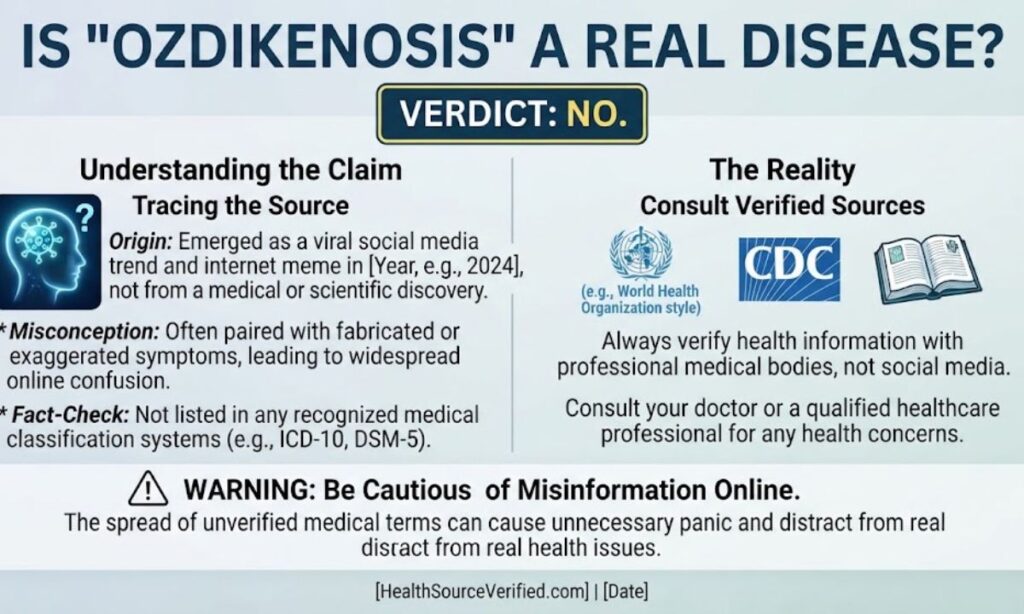
No. There is no evidence that ozdikenosis exists as a recognized medical condition. It does not appear in any official disease database, clinical journal, or diagnostic system used by doctors and researchers.
When health experts confirm a disease is real, it typically shows up in trusted sources such as:
- PubMed (medical research database)
- ICD-11 (International Classification of Diseases)
- OMIM (Online Mendelian Inheritance in Man)
- WHO or CDC official health resources
- Peer-reviewed medical journals
Ozdikenosis appears in none of these. That absence alone is one of the clearest signs that the term isn’t legitimate medicine.
Why People Search “Why Does Ozdikenosis Kill You”
This exact phrase has become one of the most searched versions of the topic, and it’s not by accident. Phrases built around fear — especially ones implying a condition is fatal — tend to pull in far more clicks than neutral, factual headlines.
People search this phrase because:
- The name sounds clinical and unfamiliar, which triggers curiosity
- Fear-based questions feel urgent, so people click without hesitation
- Search engines reward trending terms, so more content appears quickly
- Seeing the term repeated across multiple websites makes it feel credible
This pattern is sometimes called the “illusory truth effect” — the idea that repetition alone can make a false claim feel true, even without any supporting evidence.
Where Did “Ozdikenosis” Come From?
Nobody can point to an exact origin, but the pattern matches how many viral internet terms are born. Most signs suggest the word started through SEO-driven or AI-assisted content designed to fill a search gap. Since nobody had written about “ozdikenosis” before, the first sites to publish about it could rank instantly, with zero competition from established medical sources.
The name also borrows real medical language to sound convincing. The suffix “-osis” genuinely appears in legitimate medical terms like fibrosis, necrosis, and thrombosis, which is likely why the invented word feels believable at first glance.
Why Fake Diseases Go Viral So Fast
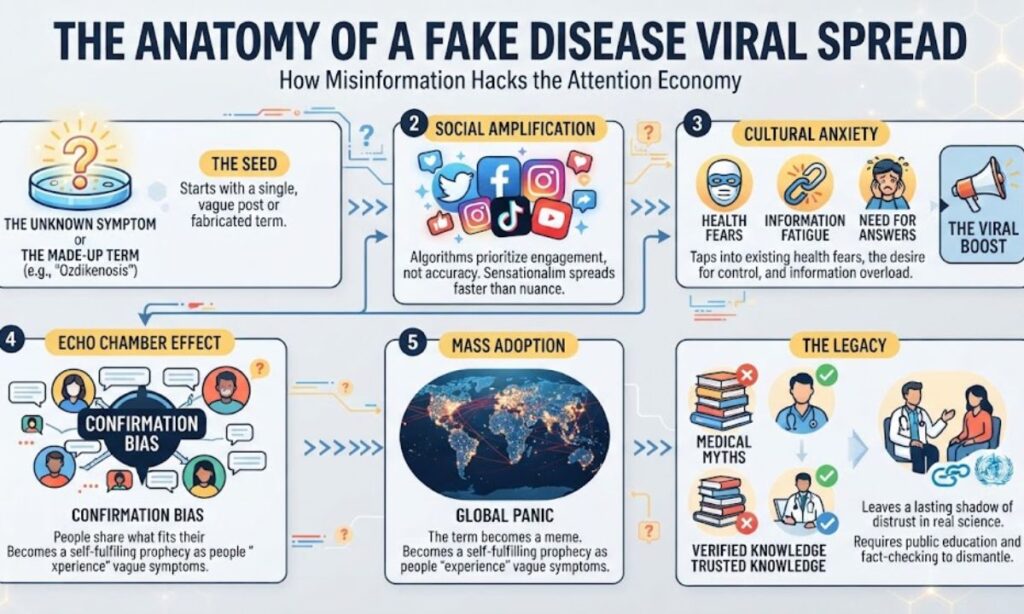
Made-up illnesses spread quickly because they combine three powerful ingredients:
- A scientific-sounding name that mimics real medical vocabulary
- Vague symptoms that almost anyone could relate to, like fatigue or muscle aches
- An emotional hook, usually built around fear of a hidden or fatal condition
Once one website publishes a detailed article about the “disease,” others follow to compete for the same rising search traffic. Within weeks, dozens of nearly identical articles can appear, reinforcing the illusion that the term is well documented.
Also read the meaning of MUCHO GUSTO meaning
Ozdikenosis Meaning
Despite the flood of content describing it, there’s no single agreed-upon meaning of Ozdikenosis. That inconsistency is actually one of the biggest giveaways that it isn’t real.
Some websites describe it as a metabolic disorder. Others call it a neuromuscular condition. Some link it to genetics, while others describe it as a slow, progressive illness affecting multiple organs. Real diseases don’t have four or five contradictory definitions floating around — legitimate conditions are described consistently across medical literature, no matter which source you check.
“Symptoms of Ozdikenosis” Are Not Real Diagnostic Criteria
Articles about Ozdikenosis often list symptoms like fatigue, brain fog, muscle soreness, or unexplained weakness. These feelings themselves are real and common — but that doesn’t mean the “diagnosis” attached to them is valid.
A genuine diagnostic criteria list requires:
- Measurable biological markers or test results
- Defined patterns confirmed through clinical studies
- Agreement across multiple medical institutions
- A documented disease mechanism inside the body
Ozdikenosis has none of these. It simply borrows common, everyday symptoms and repackages them under an invented label.
What Actually Makes a Disease Fatal
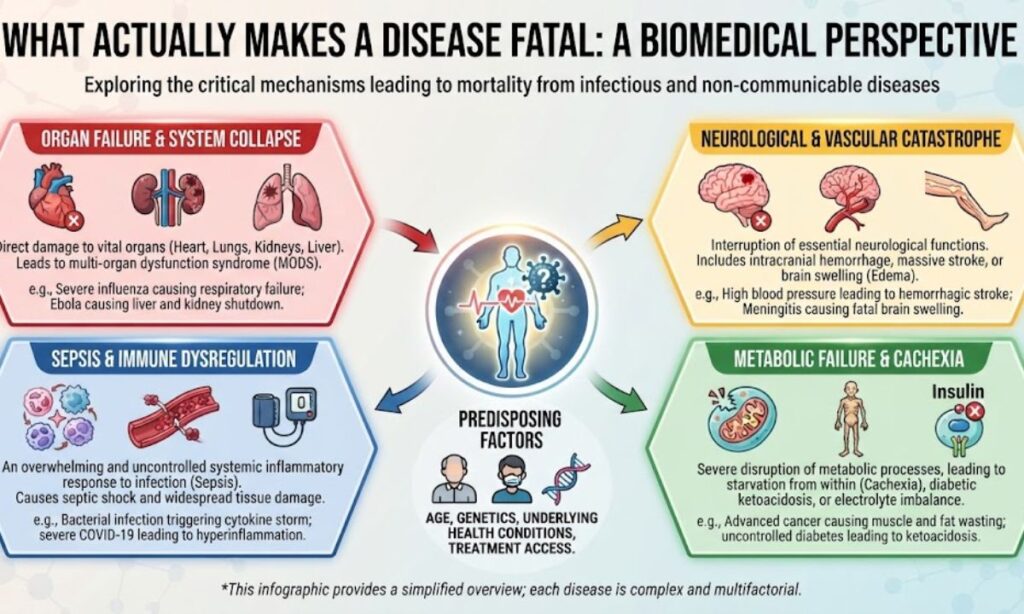
Understanding how real diseases cause death helps explain why a fictional term like ozdikenosis can’t logically “kill” anyone. Genuine fatal illnesses generally follow a clear chain of events inside the body.
| Stage | What Happens |
| Initial disruption | Infection, toxin, or malfunction affects normal body processes |
| Organ stress | Vital organs like the heart, lungs, or kidneys begin struggling |
| Organ failure | One or more organs stop functioning properly |
| System collapse | Multiple organ failure makes survival increasingly unlikely |
Every verified fatal disease can be traced through this kind of documented process, supported by clinical evidence. Ozdikenosis has no such mechanism because it has never been studied, tested, or confirmed in a real patient.
Real Conditions People Confuse With Viral Health Terms
Interestingly, some of the symptoms tied to Ozdikenosis resemble real, rare conditions — just under a different, invented name. Genuine mitochondrial disorders, for example, can cause fatigue, muscle weakness, and neurological symptoms similar to what’s described online.
Conditions that are sometimes confused with viral terms like this include:
- Chronic fatigue syndrome
- Fibromyalgia
- Mitochondrial diseases (such as MELAS or Leigh syndrome)
- Autoimmune disorders with overlapping symptoms
If you’re experiencing ongoing symptoms, it’s worth discussing these real, documented conditions with a doctor rather than searching invented disease names.
The Danger of Self-Diagnosing Viral Diseases
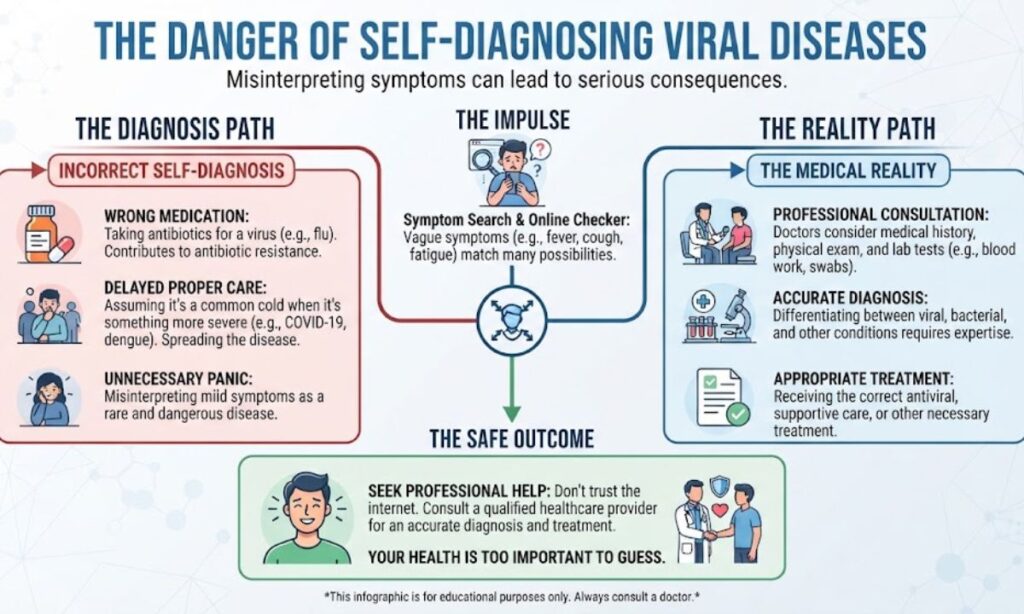
Believing in a fake illness isn’t just harmless curiosity — it can carry real consequences. Self-diagnosing based on viral terms can lead to unnecessary anxiety, wasted time researching a condition that doesn’t exist, and delayed attention to symptoms that might actually need medical care.
Relying on unverified internet sources instead of professional guidance can also lead people to try unproven remedies or ignore genuinely important warning signs from their body.
How to Verify If a Disease Is Real
Before trusting a new or unfamiliar disease name, it helps to check a few reliable sources.
- Search the term on PubMed or Google Scholar for peer-reviewed studies
- Check whether it appears in the ICD-11 classification system
- Look for coverage from major health organizations like the WHO, CDC, or Mayo Clinic
- See if hospitals or licensed doctors reference the condition publicly
If a term doesn’t appear in any of these places, it’s reasonable to treat it as unverified.
Red Flags That a Disease Is Internet Fiction
Here are common warning signs that a “disease” may not be real:
- Multiple websites give conflicting definitions of the same condition
- No peer-reviewed research or clinical studies exist
- The term isn’t listed in any official medical database
- Articles about it all appeared within a short time window
- Headlines focus heavily on fear (“deadly,” “silent killer,” “kills you”)
- No hospitals or licensed doctors reference diagnosing it
Why Health Misinformation Spreads Faster Than Facts
Fear-based content tends to outperform calm, factual reporting, simply because it triggers a stronger emotional response. Humans are naturally wired to pay attention to potential threats, so a headline suggesting a hidden, deadly disease will almost always get more clicks than one saying “this isn’t real.”
Search engines and social platforms often reward whatever keeps people engaged, which unintentionally helps unverified claims spread faster than the corrections that follow them.
What You Should Do If You Feel Unwell
If you’re experiencing symptoms that concern you, the safest step is always to consult a licensed healthcare provider rather than relying on unverified online sources. Seek medical attention promptly if you notice:
- Chest pain or pressure
- Difficulty breathing
- Sudden confusion or disorientation
- Persistent high fever
- Seizures or loss of consciousness
A real diagnosis requires proper testing and clinical evaluation — something no website can substitute for.
The Bigger Lesson Behind Ozdikenosis
Ozdikenosis isn’t really a story about medicine — it’s a story about how quickly an unfamiliar, scary-sounding word can spread once search interest starts climbing. It shows how easily curiosity can be turned into traffic, and how important it is to slow down and verify information before accepting it as fact.
The next time an unusual disease name starts trending, a few minutes of research can save you from unnecessary worry.
Frequently Asked Questions
Is Ozdikenosis a real disease?
No. There is no medical evidence, research, or official documentation confirming Ozdikenosis as a real condition.
Why does Ozdikenosis kill you?
It doesn’t. Since Ozdikenosis isn’t a recognized disease, there’s no verified mechanism by which it could cause death.
Where did the term Ozdikenosis come from?
Its exact origin is unclear, but evidence suggests it started through SEO-driven or AI-generated content rather than medical research.
What are the symptoms of Ozdikenosis?
Websites describe vague symptoms like fatigue and muscle aches, but these aren’t official diagnostic criteria for any confirmed illness.
How can I tell if a disease name is fake?
Check trusted sources like PubMed, the ICD-11 database, or major health organizations. If it isn’t listed there, treat it as unverified.
Should I be worried if I have symptoms similar to Ozdikenosis?
The symptoms themselves may be real, so it’s worth speaking to a doctor about conditions like chronic fatigue or autoimmune disorders instead of self-diagnosing.
Is Ozdikenosis debunked or confirmed fake?
Yes, Ozdikenosis has been debunked. No medical database, journal, or health organization has verified it as a real condition — it’s confirmed to be internet-origin misinformation.
What are the exact symptoms linked to Ozdikenosis?
Sites list fatigue, brain fog, muscle soreness, and unexplained weakness. These are real feelings people experience, but they aren’t official diagnostic criteria for any confirmed disease.
Is Ozdikenosis part of a larger trend of AI-generated fake diseases?
Yes. It fits a growing pattern of AI-assisted or content-farm articles inventing medical-sounding terms to rank for low-competition, high-curiosity searches — a trend health experts are increasingly warning about.
Final Takeaway
Ozdikenosis is not a real disease — it’s a case study in how quickly a scientific-sounding word can spread fear online without a single shred of medical evidence behind it. The lesson here goes beyond one viral term: always verify unfamiliar health claims through trusted medical sources, and never let an internet search replace a conversation with a real doctor.

1 thought on “Best Ozdikenosis Meaning: What Is It and Why Is It Going Viral? (2026)”