
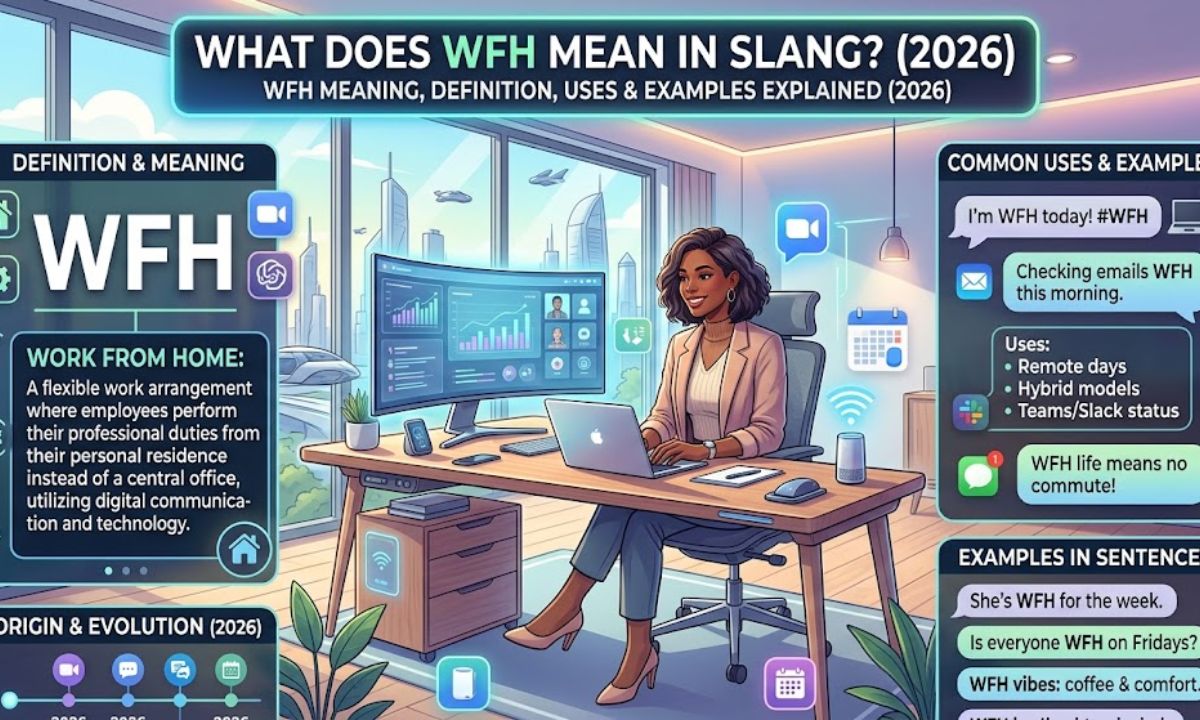

WFH Mean is one of the most common abbreviations in modern work culture. You’ll spot it in Slack messages, calendar invites, and casual texts almost every day. This guide breaks down exactly what WFH means, where it came from, and how people use it across different platforms and situations.
What Does WFH Mean?
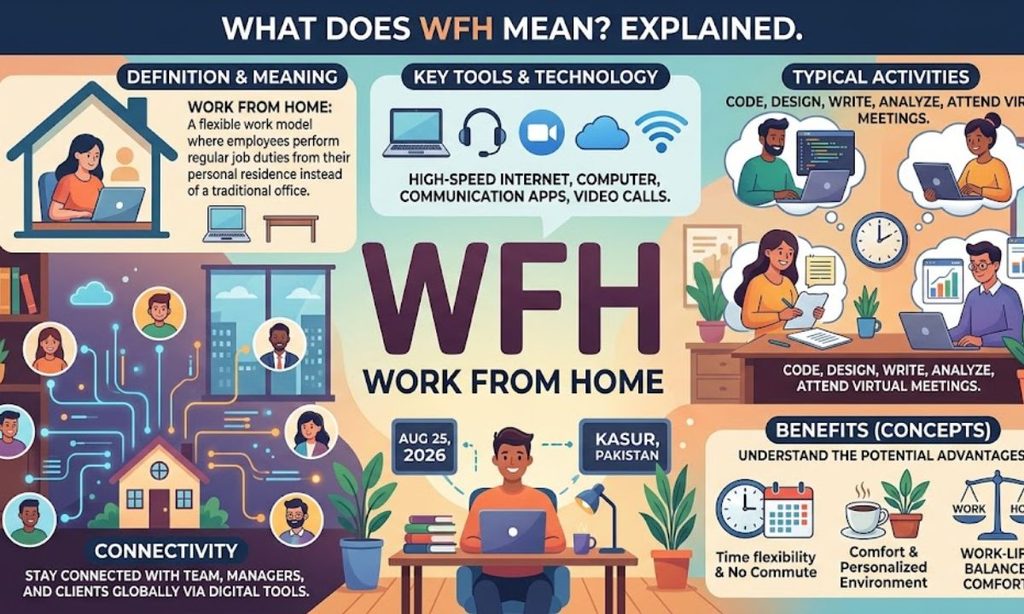
WFH stands for “Work From Home” or “Working From Home.” < cite index=”9-1″>It is commonly used in digital communication to let colleagues know that someone is working from home on a given day or for a temporary period, instead of reporting to a physical workplace.</cite>
In simple terms, WFH means:
- Doing your job duties from your house instead of an office
- Staying reachable and productive without a commute
- Communicating your location status quickly to coworkers
It’s important to know that WFH is not a day off. < cite index=”12-1″>It refers to someone doing their job remotely instead of working from a traditional office location, and the person is still expected to complete their normal duties.</cite>
Origin and History of “WFH”
WFH didn’t start as internet slang the way terms like “LOL” or “FOMO” did. < cite index=”15-1″>It grew out of corporate email culture in the early 2000s, when office workers began abbreviating common phrases to save time in emails.</cite> < cite index=”15-1″>It quickly joined a family of workplace acronyms like OOO (out of office), EOD (end of day), and PTO (paid time off), and mostly lived quietly inside HR communications and team updates.</cite>
That changed dramatically in 2020. < cite index=”15-1″>The pandemic forced millions of people to work remotely overnight, and WFH went from niche office jargon to universal vocabulary almost overnight.</cite> News outlets, social media captions, and everyday conversations all picked it up, and it has stayed part of everyday language ever since.
Quick Timeline
| Period | Development |
| Early 2000s | Used as shorthand in corporate emails |
| 2000s–2010s | Common in HR policies and internal messaging |
| 2020 | Pandemic pushes WFH into mainstream, everyday use |
| 2026 | Standard term across texting, social media, and workplace tools |
How “WFH” Is Used on Different Platforms
WFH shows up differently depending on where you see it:
- Slack/Teams: Used as a status update, like “WFH today”
- Email: Common in out-of-office replies or scheduling notes
- LinkedIn: Often used in posts about remote work culture or job listings
- WhatsApp: Used casually between coworkers or friends to explain availability
- Instagram/TikTok: Appears in captions showing home office setups or remote work humor
WFH Meaning in WhatsApp
On WhatsApp, WFH is usually used the same simple way it’s used everywhere else — to tell someone you’re working from home and may be slower to reply or unavailable for in-person plans. For example: “Can’t meet for lunch, I’m WFH today.”
WFH Meaning in Dating
In dating conversations, WFH still means “working from home,” but it often comes up as practical context rather than romantic slang. Someone might mention being WFH to explain their schedule, suggest a daytime coffee date, or note that they have more flexible availability that day.
WFH Meaning in Salary
WFH itself is not a salary term, but it often comes up in salary and job discussions. Some companies offer WFH stipends to cover home office costs, while others factor remote work into compensation structures. “WFH salary” usually refers to pay for a fully remote position rather than a separate type of wage.
WFH in Texting vs. Real Life
The way WFH is used changes depending on whether it’s written or spoken.
| Setting | Common Usage | Tone |
| Texting/Chat | Quick status update | Casual, efficient |
| Scheduling or availability note | Professional | |
| Spoken conversation | Rarely said as letters | Slightly informal |
< cite index=”15-1″>Spoken out loud, WFH gets a little awkward, since most people say the full phrase “working from home” instead of pronouncing the letters, which can sound robotic compared to texting it.</cite> In writing, though, it flows naturally and saves time.
Examples of “WFH” in Sentences
Here are some natural, everyday examples:
- “I’m WFH tomorrow, so ping me on Slack instead of stopping by my desk.”
- “She’s been WFH for three days because of the storm.”
- “Our team does WFH on Mondays and Fridays.”
- “Can we push the meeting? I’m WFH and my Wi-Fi is acting up.”
- “He listed the job as fully WFH with no office requirement.”
Variations and Related Slang
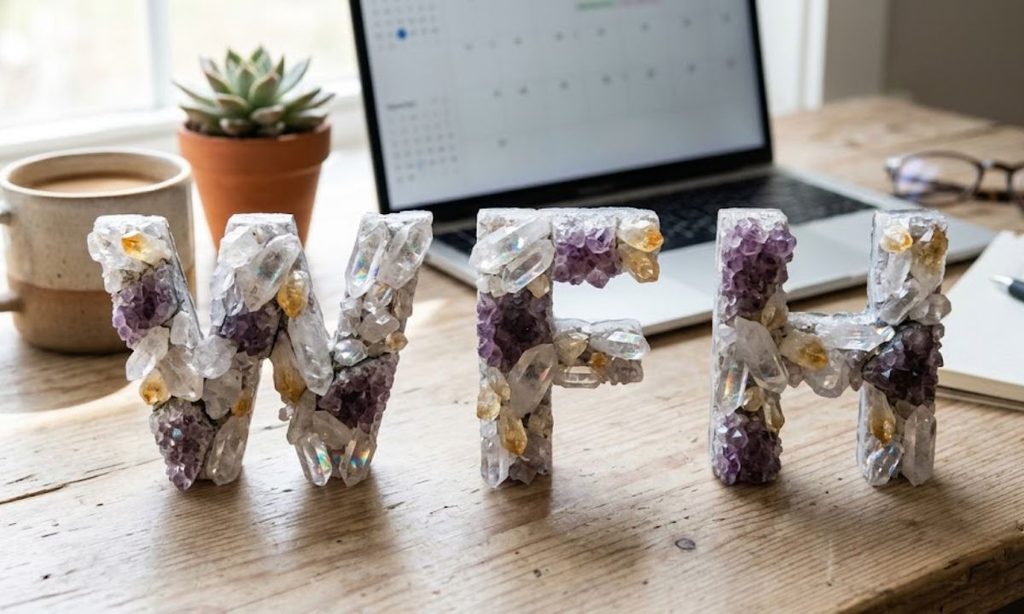
WFH has several related terms that show up in similar contexts:
- Remote
- used as a standalone adjective, e.g., “I’m remote”
- OOO
- Out of Office
- EOD
- End of Day
- PTO
- Paid Time Off
- Hybrid
- a mix of in-office and WFH days
- WFA
- Work From Anywhere, a broader remote-work variation
Is “WFH” Safe for Kids?
Yes. WFH is a completely harmless workplace abbreviation with no inappropriate meaning. It’s simply a fast way to say someone is working remotely, and it’s commonly used by parents, teachers, and even in school-related communication about virtual learning setups.
WFH Organization: A Different Meaning
Outside of workplace slang, WFH also refers to something entirely different: the World Federation of Hemophilia. < cite index=”20-1″>This is an international, non-profit organization based in Canada, founded in 1963 to promote the care of individuals with hemophilia throughout the world.</cite> < cite index=”22-1″>It has 152 national member organizations and focuses on therapy, aid, and education for people with bleeding disorders worldwide.</cite>
WFH Congress
The organization regularly hosts a major international event known as the WFH World Congress. < cite index=”17-1″>The WFH 2026 World Congress took place in Kuala Lumpur, Malaysia, from April 19 to 22, 2026, bringing together healthcare professionals and people with bleeding disorders from around the world.</cite> If you’re searching for “WFH Congress 2027,” note that the World Congress typically runs on a multi-year cycle, so it’s worth checking the official WFH website for the confirmed date and location of the next event.
JUMP TO : POOKIE MEAN
When to Use (and Avoid) “WFH”
Good times to use it:
- Quick status updates with coworkers
- Casual texts about your daily location
- Calendar invites and scheduling tools
Times to avoid it:
- Formal contracts or legal/HR documentation, where “work from home” should be spelled out
- Conversations with people unfamiliar with workplace shorthand
- Situations where clarity matters more than speed
Here are two additional headings you can add to the article — both reflect high-search-volume queries related to WFH.
WFH vs Remote Work: What’s the Difference?
Many people use WFH and remote work interchangeably, but they aren’t always the same thing. WFH often refers to occasional home workdays within a regular office job, while remote work usually means a role that is fully home-based with no office requirement at all.
Benefits of WFH
Working from home offers real advantages like better work-life balance, no daily commute, and fewer office distractions. It also saves money on transport and meals while giving employees more flexibility to manage their personal schedules alongside work tasks.
Frequently Asked Questions
What does WFH mean in text?
WFH means “Work From Home,” used to tell someone you’re working remotely instead of at the office.
Is WFH a slang word?
Not exactly it functions more like a workplace abbreviation, though it’s now widely used in casual and online communication.
Does WFH mean a day off?
No. WFH means working remotely; the person is still completing their regular job duties.
What is the WFH organization?
WFH also stands for the World Federation of Hemophilia, a nonprofit supporting people with bleeding disorders worldwide.
What’s the difference between WFH and remote work?
WFH usually refers to occasional or specific home workdays, while “remote” often describes a fully home-based job.
Can WFH be used in professional emails?
Yes, WFH is widely accepted in professional emails and workplace messaging tools.
Conclusion
WFH has grown from a simple office email shortcut into one of the most widely recognized abbreviations in modern communication. Whether you see it in a Slack message, a calendar invite, or a casual text, it almost always means the same thing: someone is working from their home instead of the office. Now that you know its meaning, origin, and how it’s used across platforms, you’ll never second-guess a WFH message again.

1 thought on “What Does WFH Mean in Slang? WFH Meaning, Definition, Uses & Examples Explained (2026)”